
5 Common Bookkeeping Mistakes Startups Should Avoid

by scaadmin

As a startup business, you’re likely wearing many hats – from CEO to marketing manager to chief coffee maker. With so much on your plate, it’s easy to let bookkeeping fall by the wayside. However, at Forest Bookkeeping here in Rushden, we’ve seen how proper financial management can make or break a new business. Let’s explore five common bookkeeping mistakes we often see Northamptonshire startups make, and how you can avoid them.

1. Mixing Personal and Business Finances

One of the first steps in setting up your startup should be opening a separate business bank account. We’ve seen many entrepreneurs, especially those running home-based businesses in areas like Rushden or Wellingborough, using personal accounts for business transactions. This not only complicates your bookkeeping but can also create headaches come tax time and may even put your personal assets at risk.

Solution: Open a business account as soon as you start your company. Keep all business transactions separate from your personal finances.

2. Neglecting to Track Small Expenses

It’s easy to overlook those quick runs to Rushden Lakes for office supplies or that business lunch in Northampton town centre. However, these small expenses add up and can significantly impact your financial picture.

Solution: Implement a system to track all expenses, no matter how small. Consider using a mobile app that allows you to photograph and categorise receipts on the go.

3. Delaying Bookkeeping Tasks

We often see Northamptonshire startups, particularly in fast-growing sectors like technology or logistics, putting off their bookkeeping until tax season approaches. This can lead to missed deductions, cash flow issues, and stressful late nights trying to sort through months of financial data.

Solution: Set aside time each week to update your books. If you’re too busy, consider outsourcing to a local bookkeeping service (like us at Forest Bookkeeping!) to ensure your finances are always up-to-date.

4. Misclassifying Employees and Contractors

With many startups relying on a mix of employees and contractors it can be easy to misclassifying workers and this can lead to serious tax implications and potential legal issues.

Solution: Familiarise yourself with HMRC guidelines on worker classification. When in doubt, consult with a bookkeeper or accountant who understands the local business landscape.

5. Not Preparing for Tax Obligations

Northamptonshire’s diverse economy means startups here can face a variety of tax obligations. Whether you’re a tech startup in Northampton Enterprise Zone or a craft brewery in Kettering, underestimating your tax liability can lead to nasty surprises.

Solution: Work with a local bookkeeper to understand your tax obligations from day one. Set aside money for taxes regularly, and consider making payments on account to spread the cost.

How Forest Bookkeeping Can Help

At Forest Bookkeeping, we’re passionate about helping Northamptonshire startups thrive. Based in Rushden, we understand the unique challenges and opportunities that come with starting a business in our region. We offer:

  • Regular bookkeeping services to keep your finances in order
  • Guidance on best practices for financial management
  • Assistance with tax planning and preparation
  • Advice on choosing and implementing the right accounting software for your needs

Starting a business is exciting, and with the right financial foundations, your Northamptonshire startup can flourish. Don’t let common bookkeeping mistakes hold you back. If you’re feeling overwhelmed by the financial side of your business, reach out to us at Forest Bookkeeping. We’re here to help you navigate the numbers so you can focus on what you do best – growing your business.

Remember, good bookkeeping isn’t just about avoiding mistakes; it’s about setting your Northamptonshire startup up for long-term success. Let’s work together to make your financial future as bright as the opportunities in our vibrant county!

To find out more reach out to Sean at Forest Bookkeeping by calling 01933 213223.

Guide to who must complete a Self Assessment Tax Return

by scaadmin

At Forest Bookkeeping, we often encounter clients who are unsure about their tax return obligations. Today, we’re breaking down who needs to send a tax return to HMRC. If you fall into any of the following categories for the last tax year (6 April to 5 April), you’re required to submit a return:

  1. Self-employed individuals:
    1. If you were a ‘sole trader’ earning more than £1,000 (before deductions for tax relief)
    1. If you were a partner in a business partnership
  2. High earners:
    1. If your total taxable income exceeded £150,000
  3. Capital Gains Tax payers:
    1. If you sold or ‘disposed of’ an asset that increased in value, requiring you to pay Capital Gains Tax
  4. Recipients of the High Income Child Benefit Charge

Additionally, you may need to file a tax return if you have any untaxed income sources, such as:

  • Rental income from property
  • Tips and commission
  • Income from savings, investments, and dividends
  • Foreign income

Not sure if you need to file? HMRC provides a tool to check your status. Remember, if you’ve never filed a tax return before and find that you need to, you must inform HMRC by 5 October. You can do this by registering for Self Assessment.

Even if you’re not required to, you might choose to submit a tax return to:

  • Claim certain Income Tax reliefs
  • Prove your self-employed status (useful for claiming benefits like Tax-Free Childcare or Maternity Allowance)
  • Pay voluntary National Insurance contributions

At Forest Bookkeeping, we’re here to help you navigate these requirements and ensure you’re compliant with HMRC regulations. If you have any questions about your tax return obligations, don’t hesitate to reach out to Sean at Forest Bookkeeping by calling 01933 213223.
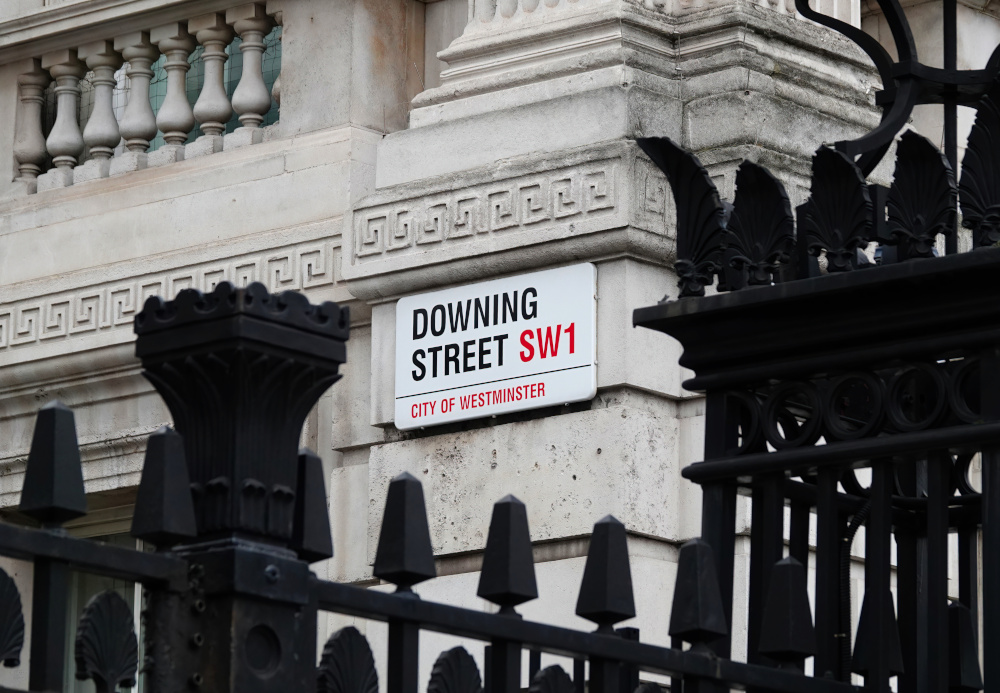
Remember, staying on top of your tax responsibilities is crucial for maintaining a healthy financial profile for both you and your business. Let us help you make sense of it all!

If you seek the assistance of a well-established business for your accounting and bookkeeping needs, reach out to Sean at Forest Bookkeeping by calling 01933 213223.

What the New Labour Government Could Mean for UK Small Businesses

by scaadmin

A Closer Look for SMEs

As a small business focused on providing bookkeeping services to SMEs across the UK, we at Forest Bookkeeping always keep a close eye on political developments that could impact our clients. With the Labour Party now forming a new government following the 2024 general election, it’s worth examining their manifesto pledges to understand the potential implications for small businesses. While it’s still early days and specific policies remain to be fleshed out, here are some of the key proposals that caught our attention:

Tax Stability Labour have committed to no increases in National Insurance contributions, income tax rates, or VAT. This should provide some much-needed certainty for small business financial planning. The plan to cap Corporation Tax at 25% while allowing deductions for capital investments could also support SME growth.

Tackling the Skills Gap The proposal to replace the Apprenticeship Levy with a more flexible ‘Growth and Skills Levy’ is interesting. If designed well, it could give small businesses more control over workforce training and open up access to a wider talent pool. As accountants, we’re acutely aware of the challenges many SMEs face in finding skilled staff.

Strengthening Workers’ Rights Labour’s pledges to ban zero-hour contracts, outlaw ‘fire and rehire’ practices, and raise the minimum wage could have mixed effects. While improved job security and pay should boost employee morale and productivity, small businesses may face higher staffing costs. The devil will be in the detail of how these policies are implemented.

Boosting Regional Growth Plans to devolve more economic powers to local leaders and create regional employment hubs could open up new growth opportunities for SMEs in their local markets. Stable R&D tax credits and a new Regulatory Innovation Office might also benefit startups in technology and innovation-driven sectors.

Expanding Startup Funding Proposals to refocus the British Business Bank on supporting SMEs outside London and reform the EIS and SEIS schemes to better assist early-stage firms could make a real difference for startups seeking growth capital. As always, effective targeting of these initiatives will be key.

Prompt Payment Late payment remains a huge challenge for many of the small businesses we work with. Labour’s plans to toughen up reporting requirements for large company payment practices and ‘stamp out’ delayed payments could provide welcome relief – if they have teeth. Proper enforcement will be critical.

Reforming Business Rates The pledge to scrap the current business rates system and introduce a fairer alternative that helps high street firms compete with online giants is encouraging. For many small businesses, rates are a major overhead. However, the new system must genuinely reduce the tax burden on SMEs to have a positive impact.

Promoting Exports With Brexit disruptions still affecting importers and exporters, Labour’s aim to remove trade barriers and improve UK-EU cooperation could help SMEs operating internationally. The proof will be in the pudding, but any steps to cut red tape and costs for small business exporters are welcome.

Addressing Energy Costs After the recent energy bill crisis, plans to boost UK renewable energy, support manufacturers, and establish ‘Great British Energy’ to drive down costs will be music to the ears of energy-intensive small businesses. Again, effective implementation is everything.

Opening Up Public Procurement Finally, Labour’s National Procurement Plan to earmark £30bn of public contracts for SMEs and streamline the bidding process could create a wealth of new business opportunities for smaller suppliers. Simplifying the tendering process must be a priority.

While there are some encouraging signs for small businesses, the coming months will reveal whether the campaign rhetoric translates into concrete action. SMEs will need to keep a close eye on developments and seek guidance to navigate any changes. As always, we’re here to support our small business clients with expert financial advice as the political landscape shifts.

Of course, I must caveat that this analysis is necessarily speculative given my knowledge base. The actual policies and priorities of the incoming Labour government in 2024 remain to be seen. As your trusted bookkeeping partners, we’ll endeavour to keep you informed of the latest developments and what they mean for your business.

If you seek the assistance of a well-established business for your accounting and bookkeeping needs, reach out to Sean at Forest Bookkeeping by calling 01933 213223 or visit our contact page.